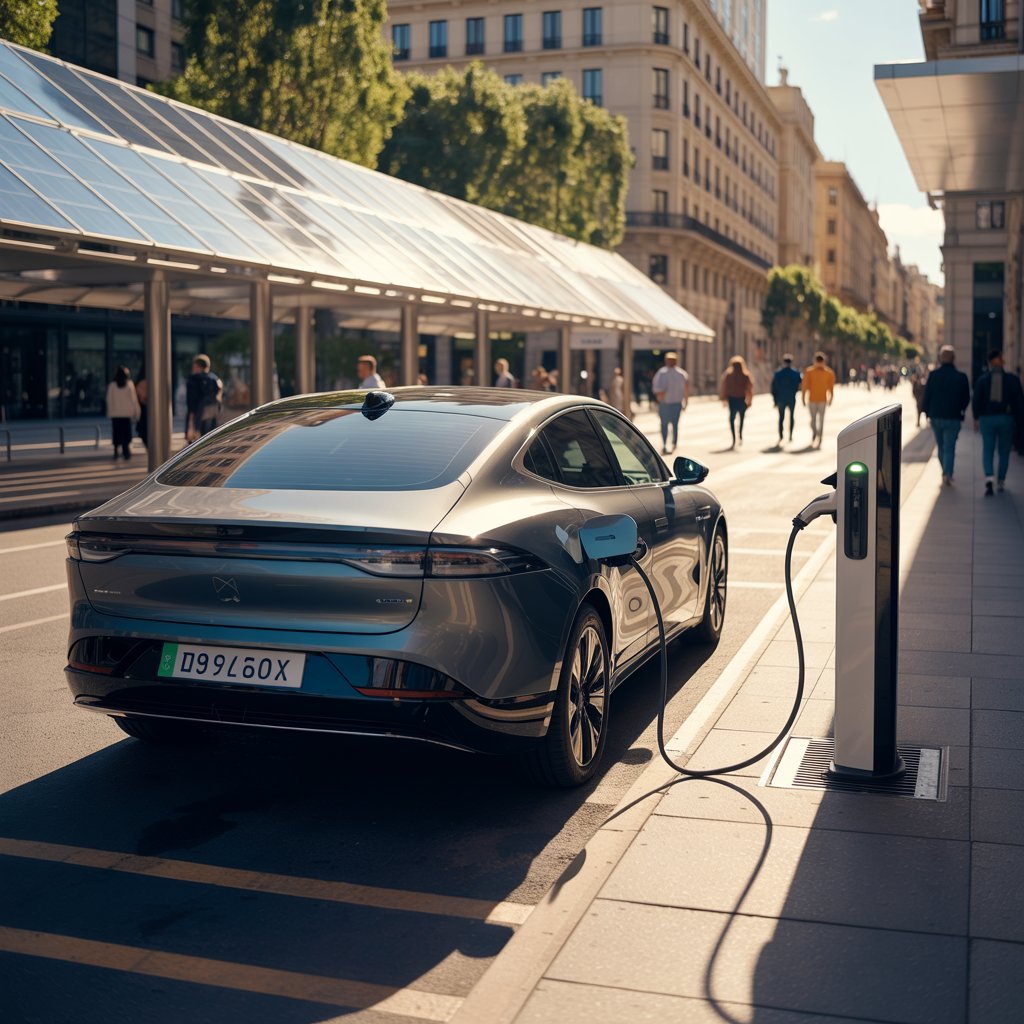
Mobility in Spain is undergoing a true revolution. It's not just about those shiny new cars in dealerships, but something much deeper: how everything, from design to maintenance, is being rethought so that vehicles leave less of an impact on the planet. This is what manufacturers, oil companies, electricity providers, the government, and even everyday drivers are actually doing to make the Spanish vehicle fleet less harmful to the environment. With visible examples in everyday life, fresh data, and tips that really work, for both drivers and those who work in the sector.
Where is the sector standing (the current picture)
The plans for 2030 sound very ambitious on paper, but the truth is that the push towards electric vehicles is serious and is part of a larger fight against climate change. The most striking thing is that the cost of batteries—that perennial headache for electric cars—has plummeted. According to data from BloombergNEF , the average price per kWh has dropped considerably, meaning that electric vehicles are now able to compete head-to-head with combustion engine vehicles and, above all, are becoming less unaffordable for the average consumer.
Incentives for a greener vehicle fleet
The MOVES program is probably the most visible one on the street. It subsidizes both the purchase of electric vehicles and the installation of the increasingly common charging points. In 2025, the government increased funding and extended the subsidies, demonstrating their serious commitment to the transition and their desire to encourage both individuals and businesses to make the switch. MOVES has made one thing clear: without direct aid to buyers and a clear charging policy, this won't work.
Regulations.
Spain has already implemented low-emission zones in large cities like Madrid and Barcelona, gradually restricting access for the most polluting cars. But this falls short in the long run: national planning is already looking towards renewable hydrogen and other energy sources, envisioning a medium-term future that goes far beyond simply plugging in your car.
Brands that are serious about green
Manufacturers have turned the page. They no longer present eco-friendly models as if they were oddities, but have integrated them as a normal part of their product range. Virtually every brand seen in Spain offers hybrid, electric, or fuel-efficient versions.
· Seat and Cupra : they have fully embraced plug-in hybrids that won't break the bank.
· Renault and Peugeot : they're killing it in the urban electric segment, perfect for getting around town without any drama.
· Tesla : although it is not Spanish, it has been the one that has shaken things up (literally) for the whole sector and forced the rest to wake up.
This transition goes far beyond pretty marketing: it is a real response to new norms as more and more people want alternatives that do not destroy the planet.
Alternative fuels: more options than you might think
Although electric vehicles get all the attention, they're not the only option. The industry is researching and investing heavily in other alternatives:
• Compressed natural gas (CNG) and liquefied petroleum gas (LPG) : are now available in Fiat or Dacia models, with cheaper fuel and fewer emissions.
• Biofuels : in full development to reduce dependence on traditional oil.
• Hydrogen : although it is not yet widespread in Spain, it looks promising for the future, especially in industrial vehicles and heavy transport.
Such a wide variety of options demonstrates something important: there is no single magic recipe, but rather several paths to sustainability.
Drivers: Small changes, big difference
Sustainability isn't just about big businesses or government laws. Everyday drivers can also reduce their environmental footprint with simple changes in how they drive and maintain their cars:
• Checking tire pressure every month reduces fuel consumption.
• Keeping the car in good condition prevents it from emitting unnecessary fumes.
• Sharing rides or using the car only when really needed reduces the overall impact.
• Investing in helpful accessories, such as aerodynamic luggage racks or eco-friendly tires, also counts.
In the end, every small gesture adds up and together they make a difference.
What can drivers do right now? (tips that work)
- Charge at home whenever possible . It's cheaper and better for the battery. Reserve fast charging for when you travel.
- Ask for the battery health report if you're buying a used electric vehicle. It's the most important thing to know.
- Consider renewable fuels if you have a diesel vehicle and can't switch to electric . Ask about compatibility and warranties before making any decisions.
- Drive smart : anticipate traffic, use regenerative braking modes, and maintain proper tire pressure. These measures significantly reduce fuel consumption and emissions.
- Take advantage of public aid (MOVES and local programs) to install chargers or change your car.
And what should workshops and spare parts stores do?
• Continuous training in high voltage and safety protocols : it is absolutely essential to avoid taking risks.
• Smart stock : 12V components, battery cooling pumps, sensors and electrical consumables are already part of everyday life.
• Partnerships with battery reconditioning and recycling companies : to offer more economical and sustainable solutions to customers.
• Advice on alternative fuels and their compatibility (HVO, mixtures, etc.) and on the installation of charging points in homes and businesses.
Assessment: Is the sector truly progressing?
The short answer is "yes, but there's still a long way to go." Adoption rates and the drop in battery costs give cause for optimism; public subsidies and infrastructure are growing; manufacturers and energy companies are truly investing. But for this transition to work, several things need to happen simultaneously: more infrastructure, better retraining, adequate vocational training, and coherent policies that justify attracting industrial investment to Spain (battery factories, HVO plants, electrolyzers).
Projects such as the construction of battery factories with international agreements, industrial projects that are being finalized, and investments in charging networks demonstrate that the entire production chain is being reorganized.
Mini FAQ (quick and clear)
Is a hybrid automatically "sustainable"? It reduces emissions compared to a traditional engine if used properly (mostly city driving and efficient driving), but it's not magic: how it's maintained and used matters.
Will the battery only last 5 years? Not at all: most manufacturers guarantee 8-10 years and degradation is usually gradual; plus, there are already refurbished and repair options.
Can HVO be used in a diesel engine? In many cases it's compatible and reduces emissions, but it's best to confirm the manufacturer's approvals and whether it's available in your area.
A future that is being built

The path to sustainability in the automotive industry is not without obstacles:
Charging infrastructure, the price of some models, and range remain issues to be resolved. But there is undeniable progress.
Today, Spain has more than 30,000 charging points spread throughout the country, a number that grows every year. And more importantly, more and more drivers are open to considering alternatives, whether it's a hybrid for the family or an electric vehicle for urban journeys.