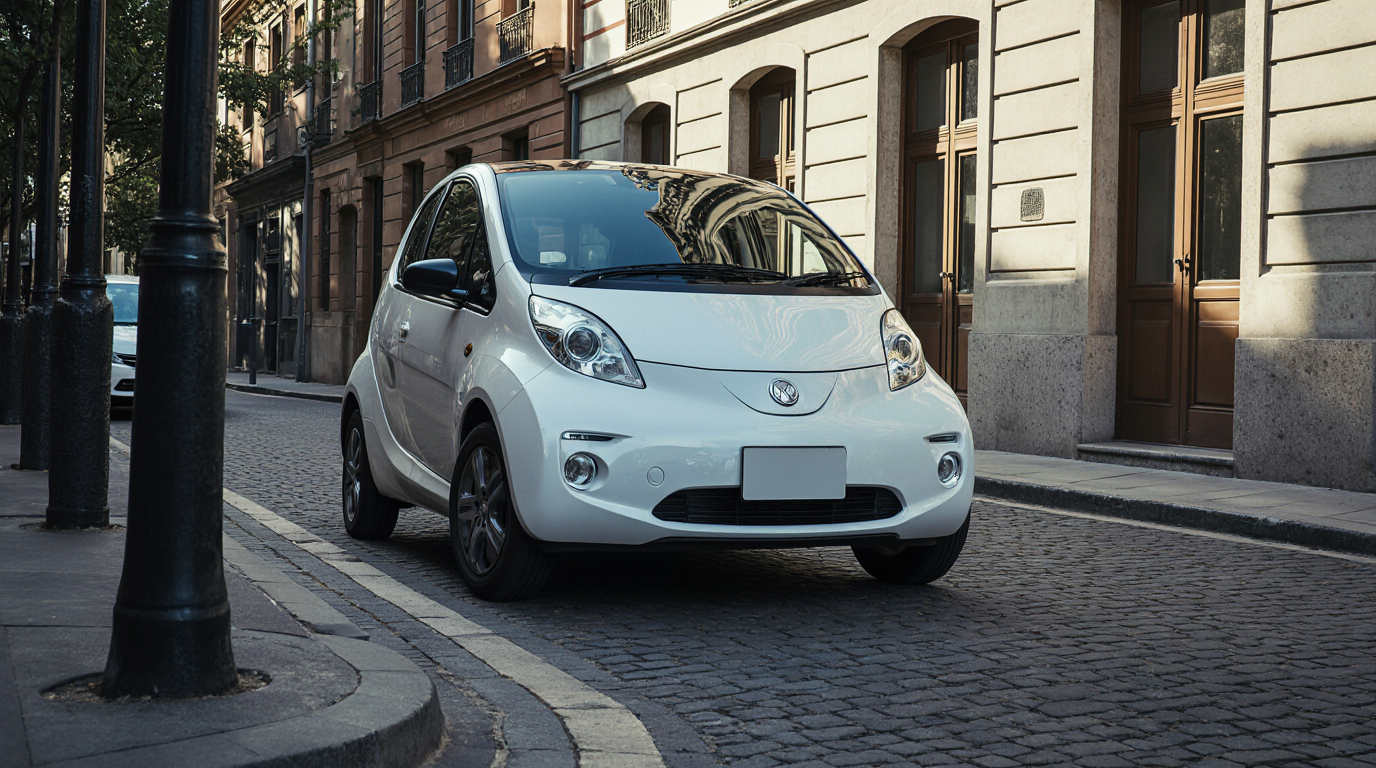
Many Spanish drivers are now considering switching to electric vehicles by buying a used one, rather than spending a fortune on a brand new one. It's no longer a question of whether there are options on the market—and there are—but whether it's truly worthwhile. And that's not a simple matter: it all depends on how you plan to use it, the specific model you have in mind, and, most importantly, the condition of the battery. Here, we'll break it down with data and real-world experience: when does buying a used electric car make sense, and when can it end up being a financial disaster?
Why second-hand electric vehicles are gaining ground.
In recent years, there has been a surge of electric vehicles sold between 2018 and 2022 that are now appearing on the used car market. These are cars that have already benefited from the initial price drop and have generally been used for urban or commuter journeys, meaning they've experienced considerably less mechanical wear and tear than a gasoline or diesel car with similar mileage.
In addition to this, there are three important factors:
- Improved battery life.
- More technical information is available for the buyer.
- Price increase for new cars, electric or not.
The result is a larger, more transparent market with prices that begin to make sense to a rational buyer.
Real advantages of buying a used electric car.
1. Lowest access price.
The initial depreciation of electric cars remains high. Buying one that's three or four years old can represent significant savings compared to the original price, without sacrificing technology or safety.
In many cases, the cost is comparable to that of a new mid-range combustion engine car, but with lower expenses in the medium term.
2. Reduced cost per kilometer.
Even with fluctuating electricity rates, the cost of recharging remains lower than that of fuel, especially for those who charge at home or at work. In daily urban use, the difference is noticeable month after month.
3. Simpler maintenance.
An electric car has no clutch, traditional gearbox, engine oil, or exhaust system. In practice, maintenance is limited to brakes, tires, suspension, and electronic checkups.
This doesn't mean zero maintenance, but it does mean fewer visits to the workshop and fewer unexpected mechanical problems.
Risks that should not be ignored.
1. The battery status.
The battery is the most expensive component of a vehicle. Although degradation is usually gradual, not all cars have been treated the same. Frequent fast charging, high temperatures, or intensive use can accelerate its wear.
In 2026, a 10–20% decline after several years is normal. Above that, it's worth analyzing whether the price justifies the difference.
2. Real autonomy vs announced autonomy.
Official figures rarely reflect everyday driving conditions. This difference can be even greater with used cars. It's crucial to assess real-world range under normal driving conditions: city driving, highway driving, and typical weather.
For many users, 200–250 km of real-world range is sufficient. For others, it may fall short from day one.
3. Charging infrastructure.
Although the public charging network has improved, it remains a limiting factor if you don't have your own charging point. Buying an electric vehicle without resolving this issue often leads to frustration in the medium term.
What to check before buying a used electric car.
Battery Health (SOH).
The State of Health (SOH) indicates the percentage of remaining usable capacity. A verbal estimate is insufficient; it must be obtained through a diagnostic report from the manufacturer or a specialized dealer.
A SOH above 85% is generally considered acceptable for a car that is several years old.
Loading history.
A car charged primarily with alternating current is not the same as one subjected to constant fast charging. Asking about charging habits provides valuable information about future wear and tear.
Battery warranty.
Many manufacturers offer warranties of 8 years or a certain number of kilometers. In 2026, some used electric vehicles still retained part of that coverage, adding peace of mind to the purchase.
Software and updates.
Some models have improved their range, efficiency, or charging management through updates. It's advisable to confirm that the vehicle is up to date and still receives support.
For whom does a used electric vehicle make sense?
A used electric car is a good option if:
- The main use is urban or interurban.
- Predictable daily distances are covered.
- A standard charging point is available.
- Usage cost is prioritized over power or image.
In these cases, savings and convenience clearly outweigh the limitations.
And who wouldn't find it a good idea?
It's not the best choice if:
- Frequent long trips are taken without planning.
- There is no easy access to charging.
- Looking for a single car for all types of intensive use.
- The budget forces us to choose a model with a very degraded battery.
In these scenarios, a hybrid or an efficient thermal vehicle may be a more balanced option.

A technical decision, not an ideological one.
Buying a used electric car in 2026 can be an excellent decision if done with information and without unrealistic expectations. It's not a one-size-fits-all solution or a symbolic gesture: it's a technical choice that must fit the driver's actual usage.
Analyzing the battery, understanding the limitations, and calculating the costs correctly makes the difference between a smart purchase and an avoidable disappointment.