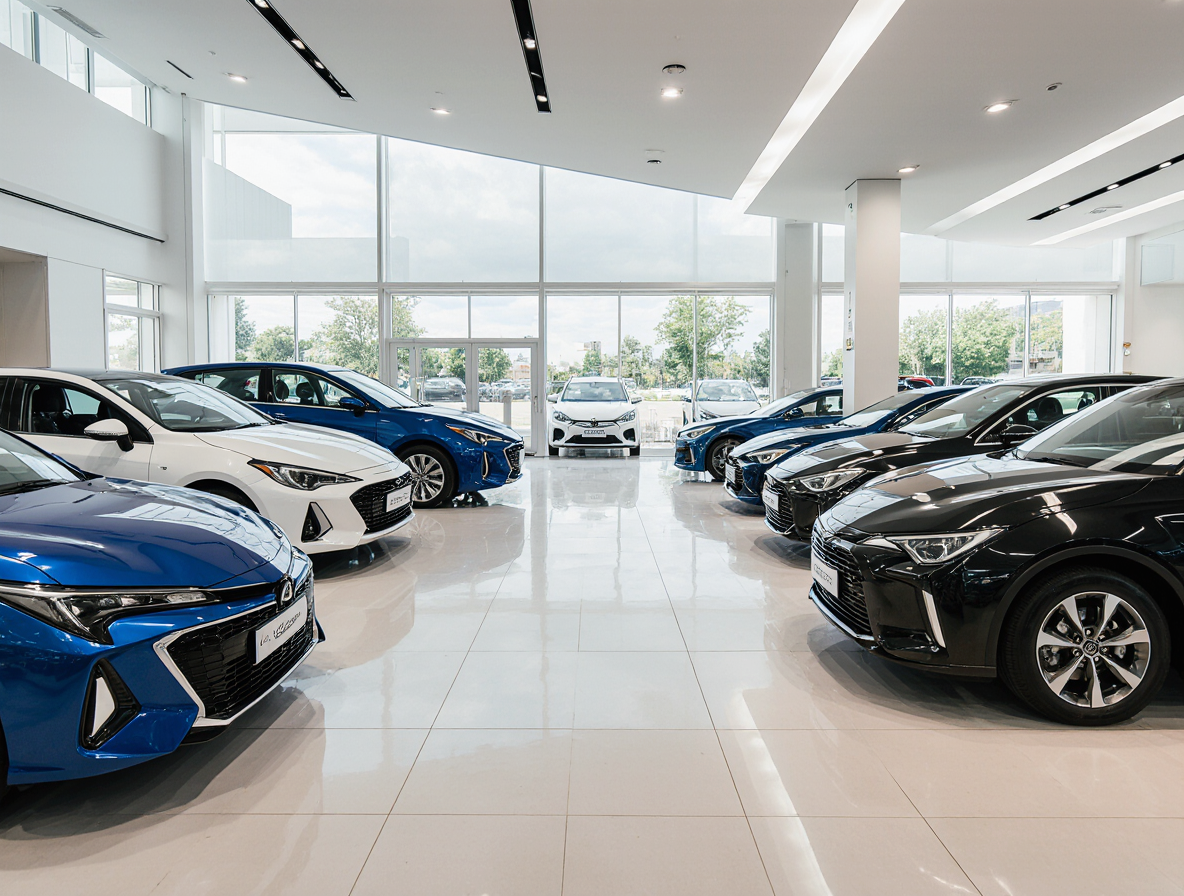
The automotive market in 2026 demonstrates that quality and efficiency are not incompatible with tight budgets. There are increasingly well-rounded options available for under €25,000, both hybrids and electric vehicles, that stand out for their genuine value proposition.
This analysis focuses on models that make sense in Spain, in terms of reliability, cost of use and real performance, without resorting to flashy figures or unrealistic promises.
What defines a good car in 2026
Before getting into specific models, it's worth establishing which criteria really make the difference this year:
- Environmental label that guarantees unrestricted urban mobility
- Realistic price , considering affordable offers and configurations
- Efficiency in consumption and controlled maintenance costs
- Stable residual value in the medium term
- Access to incentives or discounts when applicable
With these clear criteria, these are the models that stand out.
Dacia Sandero ECO-G (LPG)
Rationality made into a car
The Sandero maintains its position as one of the most sensible vehicles on the Spanish market. The ECO-G version, with LPG, combines an affordable price, an ECO label, and very low running costs.
- Estimated price: from €15,000
- Label: ECO
- Strength: Total cost of use
It's not an aspirational car, but it represents one of the most logical choices in 2026 for those who prioritize economic efficiency.
Toyota Yaris Hybrid
The urban hybrid benchmark
The Yaris hybrid continues to set the standard for reliability and real-world efficiency. Its self-charging hybrid system offers very low fuel consumption in the city, crucial in areas with Low Emission Zones (LEZs).
- Estimated price: from €22,000
- Label: ECO
- Strengths: reliability and residual value
Furthermore, its moderate depreciation makes it a smart choice in the medium term.
Renault Clio E-Tech Hybrid
Balanced refinement and efficiency
The Clio hybrid offers a more refined approach than other city cars in its category, with a remarkable level of equipment and low fuel consumption both in the city and on the highway.
- Estimated price: around €23,000
- Label: ECO
- Strength: Balance between comfort and efficiency
It represents a solid option for those looking for something more complete without exceeding the budget.
MG4 Electric
The electric vehicle that democratizes zero-emission mobility
The MG4 has established itself as one of the most affordable and sensible electric vehicles on the Spanish market. With the available incentives, its final price is very competitive.
- Estimated price with subsidies: from €20,000–22,000
- Label: ZERO
- Strong point: autonomy-price ratio
It's not the most advanced electric vehicle on the market, but it is one of the most realistic for the average user in 2026.
Dacia Spring (restyling)
Uncomplicated urban electric mobility
The Spring performs its specific function well: urban commuting at minimal cost. With the right incentives, it maintains its position as one of the most economical electric vehicles.
- Estimated price with subsidies: from €15,000
- Label: ZERO
- Strong point: accessibility to electric
It is important to understand their urban approach before considering it as an option.
Hyundai i20 (petrol or micro-hybrid)
Thermally efficient with a modern approach
For those who prefer conventional engines, the i20 remains a very solid option. The mild-hybrid versions allow access to the ECO label without radical changes in driving habits.
- Estimated price: from €19,000–21,000
- Label: C or ECO depending on version
- Strengths: versatility and efficiency
A logical choice if full electrification does not yet fit the usage profile.
SEAT Ibiza
A classic that remains relevant
The Ibiza retains its appeal thanks to its suitable dimensions, reasonable fuel consumption, and low running costs. It's not the most technologically advanced, but it is one of the most well-rounded in its segment.
- Estimated price: from €18,000
- Label: C
- Strengths: price-performance balance
In 2026 it continues to be a reliable option, especially if the right version is chosen.
How do these cars fit into the 2026 incentives?
- Electric vehicles (MG4, Spring): the biggest beneficiaries of government-backed incentive programs like the Auto+ Plan
- Hybrids: they don't always receive direct aid, but they compensate with efficiency and brand recognition.
- Efficient thermal systems: no specific subsidies, but with a lower initial price and predictable costs
The key is to evaluate each model based on its actual intended use, not just on the available incentives.
The best cars of 2026 by category
If the budget stays below €25,000 and you want to make the right choice:
- Best urban hybrid: Toyota Yaris Hybrid
- Best affordable electric car: MG4 Electric
- Best budget option: Dacia Sandero ECO-G
- Best overall balance: Renault Clio E-Tech
There is no single correct answer, but there are more coherent choices depending on each profile.

Conclusion
In 2026, finding the best car doesn't mean spending more, but rather choosing wisely. The market offers plenty of options under €25,000, provided you're clear about how you intend to use it, the required emissions sticker, and the actual impact of any incentives.
These models are not promises of the future: they are cars that already fit the reality of the current Spanish driver.