Getting around the city is changing. You no longer need a car or to waste hours looking for parking. More and more people are looking for faster and less polluting solutions, such as electric scooters, e-bikes, kick scooters, mini-cars, or electric unicycles.
It's not a passing fad. It's a different way of getting around that blends efficiency, technology, and a design that adapts to how cities are today.
Why do these small vehicles work?
Microvehicles are essentially compact, electric vehicles for short or medium distances. The advantage is obvious: lower fuel consumption, less space required, and less pollution.
In Madrid, Barcelona, and Valencia, where low-emission zones make it difficult to enter by car, these vehicles circulate without any problem. Maintenance is cheap, there's no need to pay for gasoline, and most can be plugged in at home like a mobile phone.
In short: practical, cheap to use and designed for city dwellers.
The most popular models.
At just 2.4 meters long, this may be one of the smallest electric cars on the market. It can be driven from the age of 15, charges at home, and has a range of up to 75 km. Ideal for those who want to get around the city comfortably, safely, and without parking hassles.
A very compact electric microcar, just 2.5 meters long, with a range of around 150 km. Perfect for those seeking easy parking and quick urban commutes, without sacrificing the basic comforts of a car.
Designed for short trips around town, this is a classic electric microcar, agile and efficient, with two seats, perfect for those looking for a lightweight and easy-to-park vehicle that maintains safety and protection for the driver and passenger.
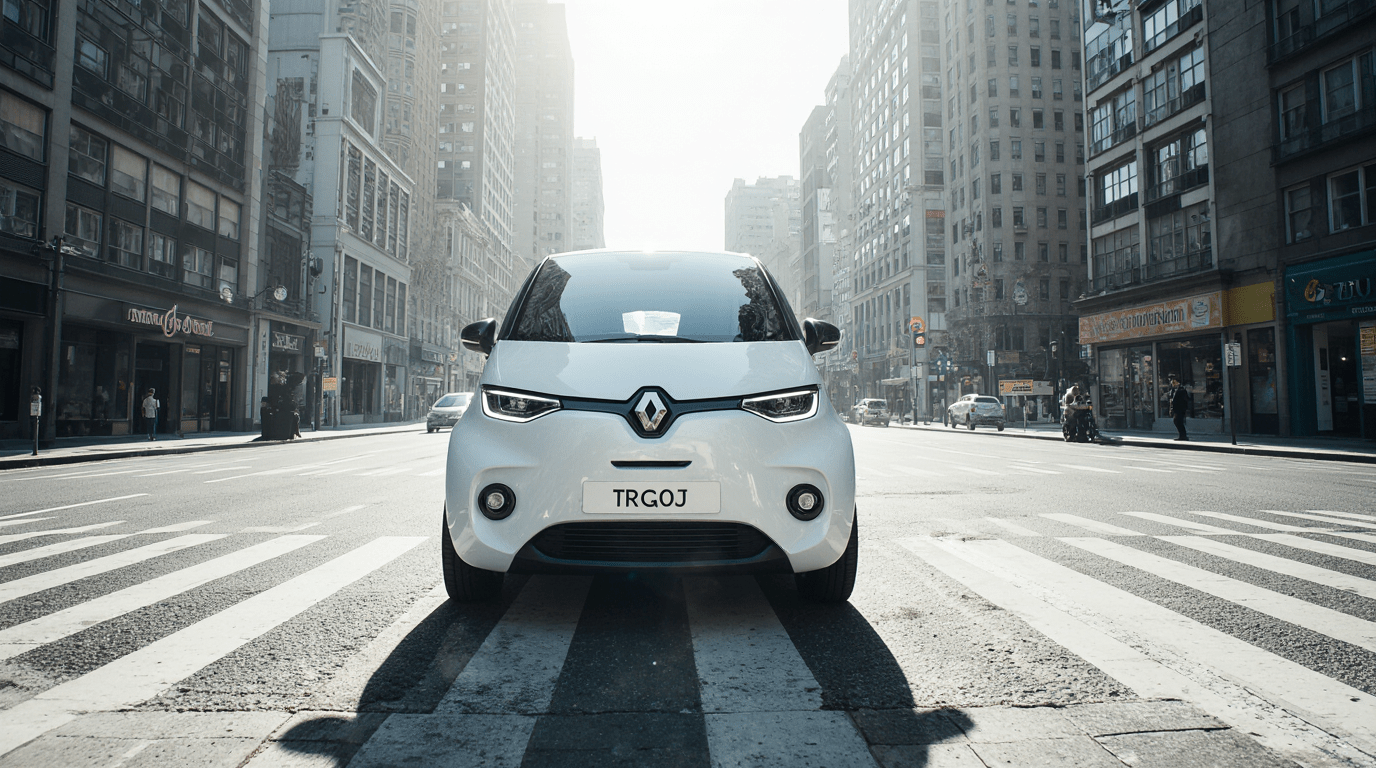
A premium, modern, electric microcar that combines comfort, connectivity, and urban mobility. At just 2.7 meters long, it's easy to park, fuel-efficient, and designed for those who value style and practicality in urban environments.
It has that retro feel of the classic Isetta, but in an electric version. It has a range of up to 230 km on a single charge, is easy to park, and is simple to drive. For those who want something that turns heads without complicating their lives in the city.
Other popular alternatives.
Silence S01 .
An electric scooter manufactured in Barcelona, ideal for getting around town. Its battery is removable and can be charged at home, making it practical for those living in apartments without garages. It offers a range of up to 130 km and an app that lets you view its location and battery level. Perfect for reliable and comfortable daily commutes.
Xiaomi Mi Smart Electric Bike .
A lightweight, foldable electric bike designed for agile city riding. Its electric motor assists pedaling, especially on hills, without completely eliminating the effort. It's easily transportable on subways or trains, making it a practical and versatile option for those seeking flexible mobility.
Personalize (if you like)
The important thing is still that it works, but some people want their vehicle to look different. There are already workshops that do customizations: vinyl wraps, lights, more comfortable seats, that sort of thing.
Some models also allow you to adjust how the accelerator or brake responds from your mobile phone, so that it adapts to how you drive.
Why are people switching to this?
- You spend much less on maintenance and energy.
- They do not pollute (at least not directly)
- You can park anywhere and avoid traffic jams.
- You can enter restricted areas
- Many are managed through an app.
Ultimately, it's simply about moving in a more logical way: saving money, reducing pollution, and arriving earlier.

A trend in motion.
Light mobility isn't going away. In Spain, it's changing how cities function: less noise, fewer parked cars, more open space.
If you need to get around the city daily or are simply looking for something more practical than a car, these vehicles prove that efficient doesn't have to be boring.