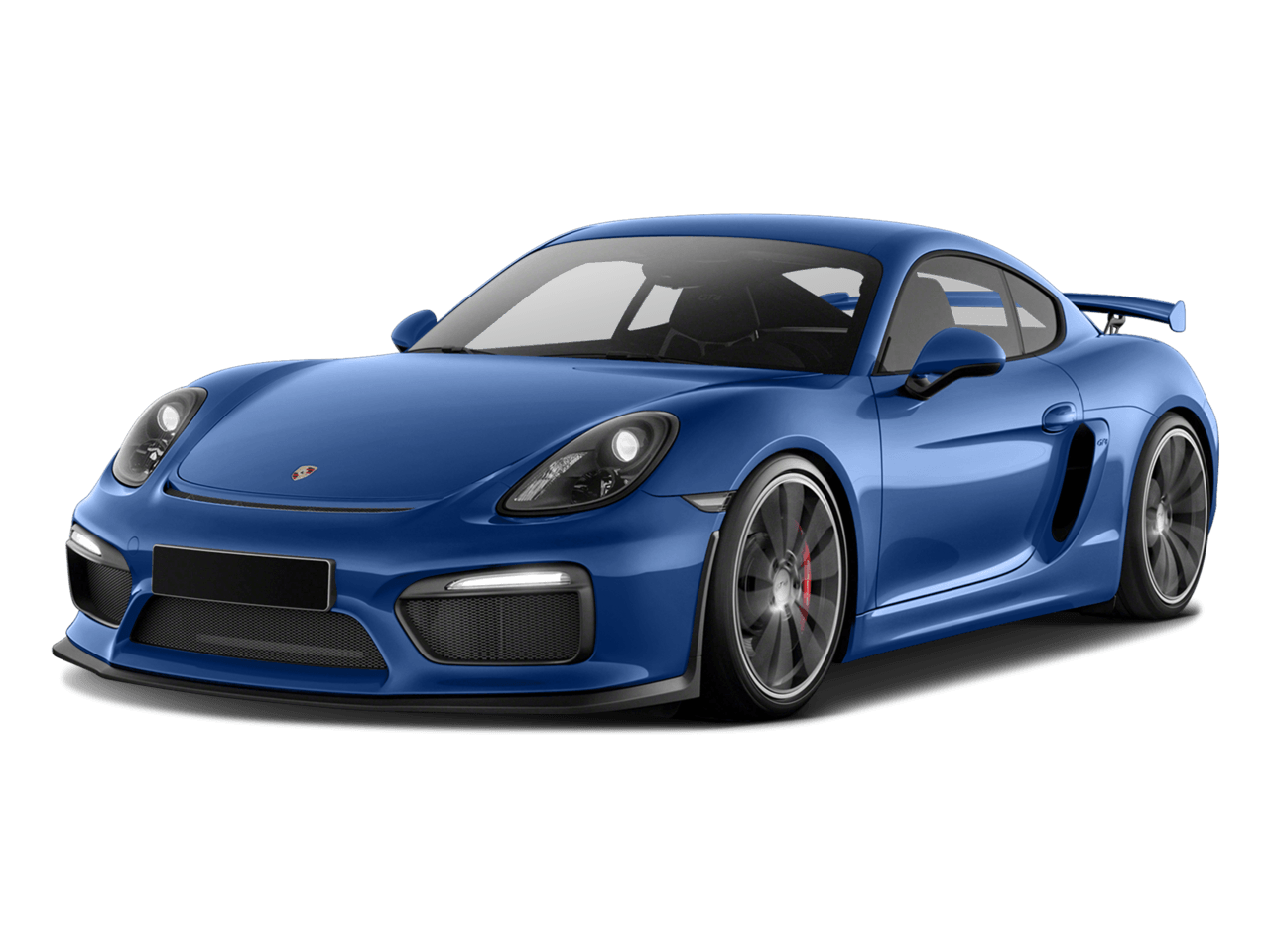
"Porsche is committed to synthetic fuels as a complement to electrification in the mobility of the future."

Amid the growing trend toward electrification, Porsche is boosting the production of synthetic fuels, or e-fuels. This is because, although electrification is booming, there are currently around 1.3 billion vehicles on the road worldwide, and replacing them all with electric vehicles is difficult. Furthermore, there are sectors that rely on combustion, such as aviation and backup generators in hospitals. Therefore, Porsche has invested in international synthetic fuel production projects, such as the Haru Oni pilot plant in Punta Arenas, Chile, and aims to triple its current production of 130,000 liters per year.
E-fuels are a complementary solution to electric vehicles

Porsche AG Chairman of the Board of Management, Oliver Blume, believes that e-fuels are a complement to electric vehicles in the mobility of the future. According to Blume, combustion engines can run on e-fuels without emitting CO2 into the atmosphere, making them a complementary and effective solution. That's why Porsche has invested in this technology and is working on its development and production in different locations around the world. The key lies in inexhaustible sources of energy. To produce synthetic fuels, an inexhaustible source of energy is needed, such as wind and water. In the case of the Chilean plant, the intensity of the wind that blows from the south of Magallanes at a constant speed of 120 km/h, as well as water, are used. To produce e-fuels, hydrogen and oxygen are separated from the electricity obtained through a proton exchange membrane, resulting in virtually carbon-neutral emissions. Furthermore, since they are not of fossil origin, e-fuels do not contain undesirable elements such as sulfur.
Industrial-scale production in 2027

Currently, the Chilean Haru Ori plant is capable of producing 130,000 liters of synthetic fuels per year. However, with the opening of plants in the United States and Australia, Porsche plans to triple its production, enabling industrial-scale production by 2027, according to the Chilean plant's operations manager. Conclusion In summary, Porsche is betting on synthetic fuels as a complementary solution to electric vehicles for future mobility. Through international e-fuel production projects, such as the Chilean Haru Ori plant, Porsche is working on the development and production of synthetic fuels worldwide.