That growing silence in your mornings, those traffic lights where the roar of engines as they take off is gone... it's not your imagination. It's the sound of an unstoppable transformation. By 2025, demand for electric cars skyrocketed by 88.1% in units sold. It's not a trend; it's a seismic shift that's redefining how we get around, consume energy, and even how we understand the word 'car.' Ready to understand why this number changes everything?
A tangible reality that touches the streets
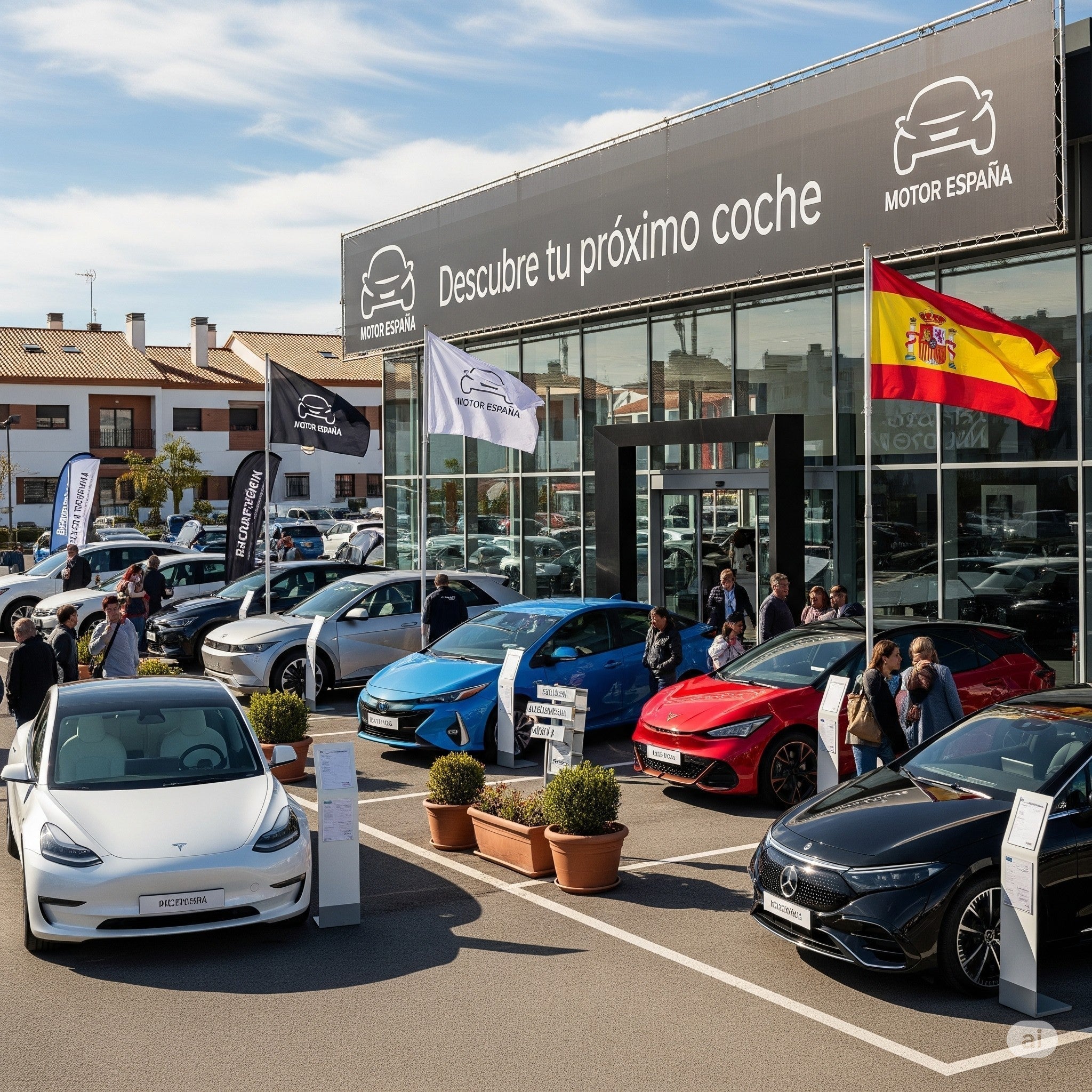
When we say that demand for electric vehicles has grown by 88.1%, we're not just talking about a statistic. We're talking about something you can see and feel every day. For example, one in four new cars registered now is electric or a plug-in hybrid. Queues at dealerships for models like the Tesla Model 3, the MG4, or the Cupra Born have become part of the urban landscape. And charging networks are mushrooming in cities, shopping centers, and along highways.
But why this surge right now? The answer lies in a perfect storm of factors converging to make electric vehicles the smartest choice.
Prices that finally make sense
Although the initial investment for an electric car may seem higher, the total cost is lower. Think about the savings: up to 70% less on fuel and 40% cheaper maintenance. In just three or four years, the difference is offset. Isn't that what we all want?
Autonomy that eliminates that ancestral fear
Remember the fear of running out of gas? Well, forget it. Today, a real-world range of 400 km is the standard. Models like the Hyundai Kona Electric (504 km) or the Volkswagen ID.4 (523 km) make long journeys entirely feasible. And if you need more power, just 15 minutes on a fast charger (150-350 kW) will give you enough for 200 km. It's like filling up your tank at a café.
A driving experience that hooks you
But perhaps the most surprising thing is how they feel. Instant acceleration, zero emissions, but 100% fun. A typical electric car accelerates from 0 to 100 km/h in 7-8 seconds, without that noise or vibration. Driving it is like floating. Believe me, once you try it, you'll hardly ever go back to a traditional car.
The domino effect: how this 88.1% transforms everything
This growth isn't just selling cars. It's reshaping entire ecosystems, from our cities to the automotive industry.
Cities that can finally breathe
With more electric vehicles, urban areas reduce NOx and particulate emissions by up to 30%. More and more cities are creating low-emission zones where only clean cars are allowed. And noise... studies show that reducing traditional motorized traffic lowers urban stress by 15%. It's as if the entire city breathes a sigh of relief.
An industry that must adapt or disappear
For repair shops, the change is radical. Knowing about combustion engines is no longer enough. Now, technicians specializing in high voltage, batteries, and software are needed. Spare parts have also changed: batteries, inverters, and charging systems have replaced filters, spark plugs, and exhaust systems. But new business models are also emerging, from installing home chargers to managing the "second life" of batteries.
What is driving this growth here?
Although this is a global phenomenon, in our environment there are key factors that explain 88.1%.
Policies that accelerate change
The ban on diesel and gasoline in 2035 has forced manufacturers to electrify their vehicles. The national charging plan envisions 100,000 public charging points by 2030. And companies and fleets are opting for electric vehicles to access public contracts. It's an institutional push that makes all the difference.
Models that fit into our lives
Compact city cars like the Smart EQ Fortwo or the Mini Electric are perfect for our narrow cities. Electric SUVs like the Kia EV6 or the Skoda Enyaq combine space and efficiency. Even electric vans like the Maxus eDELIVER 3 are revolutionizing urban transport. These are cars designed for our reality.
A booming culture of sustainability
Millennials and Gen Z prioritize brands with an environmental commitment. Companies like IKEA and Inditex already have 100% electric fleets. And energy communities are emerging where neighbors install shared solar chargers in buildings. It's a cultural shift that goes far beyond cars.
The future is now: trends that will continue to drive growth
The 88.1% is just the beginning. What's coming will solidify the revolution.
Technology that eliminates barriers
We'll soon have solid-state batteries (2026-2027) with a range of over 800 km, charging in 5 minutes, and zero risk of fire. Imagine your car being able to sell surplus energy back to the grid during peak demand (V2G). Or being able to charge it wirelessly, simply by parking. This is already being tested in cities like Oslo.
Prices that will match those of thermal engines
With economies of scale, the average price of an electric vehicle is expected to be the same as a diesel by 2027. The cost of batteries has already fallen by 87% since 2010 and will continue to decrease. Parity is near.
Mobility as a service
Brands like Hyundai already offer all-inclusive subscriptions for €299/month: car, insurance, maintenance, and charging. And soon we'll have apps that plan your trips combining subway, bus, and shared electric cars. Mobility is becoming flexible and integrated.
A change of mindset that includes us all

That 88.1% isn't just a number. It reflects a society actively choosing a cleaner, more efficient, and smarter future. For drivers, it means freedom from fuel and maintenance. For cities, it means cleaner air and less noise. For industry, it's an opportunity to reinvent itself.
The electric revolution isn't an option: it's the natural path of evolution. And while the change may seem dizzying, it brings tangible benefits for everyone. From the driver's wallet to the health of the planet, not to mention technological innovation.
Are you ready to be part of this 88.1%? Because the future isn't coming in an electric car... it's already here, plugged in and accelerating.