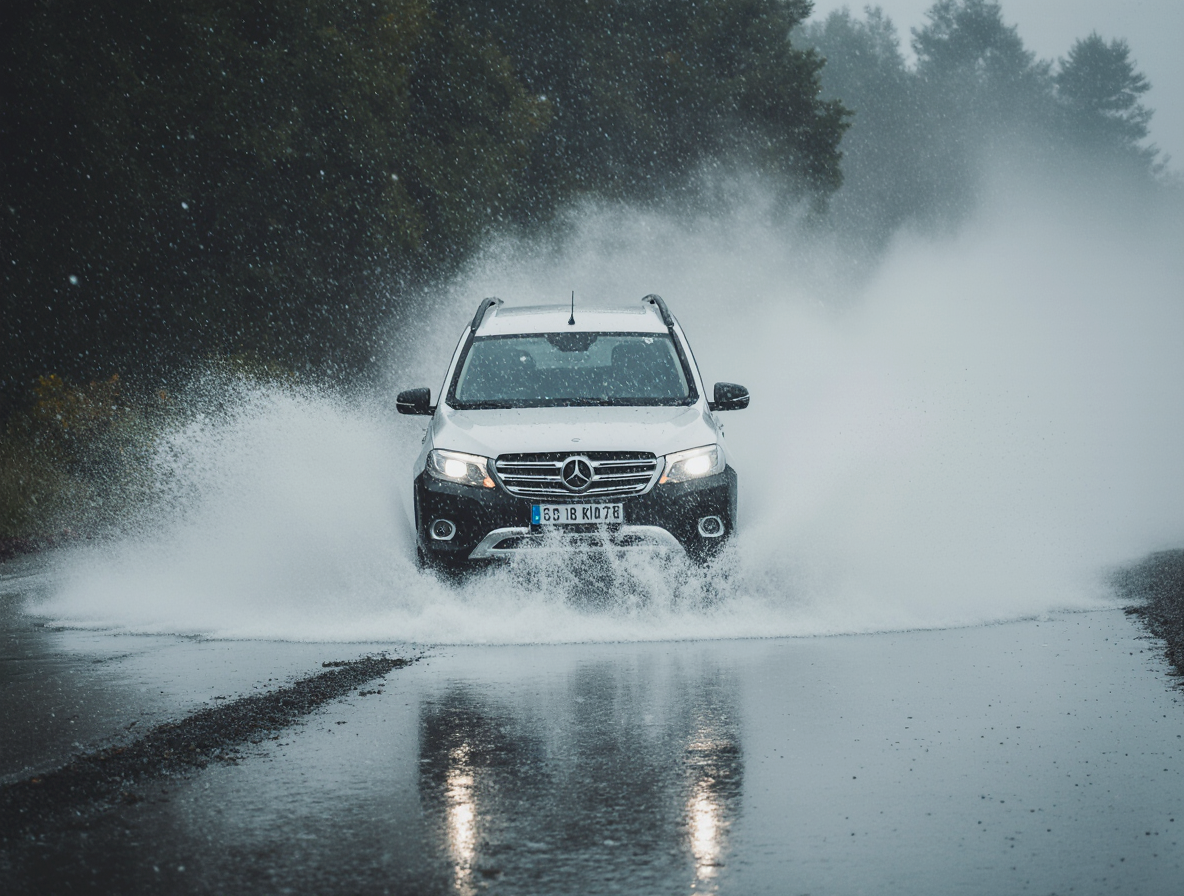
Winter isn't just about the cold. In 2026, winter travel will combine sudden temperature drops, episodes of heavy rain, occasional snow, and persistent fog , especially on intercity routes and in mountainous areas. Added to this is an aging vehicle fleet and an increasing mix of traditional, hybrid, and electric cars.
Preparing your car before the worst days arrive is not an exaggerated precaution: it's a direct way to reduce breakdowns, improve safety, and avoid getting stranded when conditions are most demanding .
Why should you get extra checkups in winter?
Every winter, the DGT (Spanish Directorate General of Traffic) activates special measures for adverse weather. In recent campaigns, more than 30% of road incidents during cold spells are related to avoidable mechanical failures : dead batteries, unsuitable tires, or visibility problems.
Besides:
- Cold temperatures reduce battery capacity.
- Rain and snow demand greater grip.
- Electronic systems operate under more critical conditions.
- Long journeys increase during holiday periods.
Winter doesn't forgive carelessness, especially in cars that are several years old.
Basic winter maintenance: what you should check now.
Battery and cold starts.
Cold is the main enemy of the battery , both in combustion engine cars and in hybrid and electric cars (through the 12V auxiliary battery).
What to check:
- Battery age (from 4 years onwards, it should be checked).
- Slower start-up than usual.
- Intermittent electrical warnings.
In hybrids and electric vehicles, a weak auxiliary battery can prevent the entire system from starting , even if the traction battery is in good condition.
Tires, pressure and chains or all-season
Tires are the only point of contact with the road. In winter, their role is even more critical.
Key points:
- Correct pressure (cold reduces pressure).
- Recommended minimum depth: 3 mm for rain and snow.
- Irregular wear check.
In areas with occasional snowfall, approved all-season tires (3PMSF symbol) are a viable alternative to snow chains. On roads with restrictions, they may be mandatory or sufficient depending on the traffic level.
Fluids and antifreeze
Winter puts all the vehicle's fluids to the test.
Check:
- Coolant with adequate antifreeze protection.
- Windscreen washer fluid specifically designed for low temperatures.
- Oil level and condition (in combustion and hybrid cars).
A degraded refrigerant can cause overheating or serious damage , even when cold.
Brakes and electronic assistance systems
Reduced grip requires that the brakes and electronic systems function correctly.
Check:
- Condition of brake pads and discs.
- Operation of ABS and stability control (ESP).
- Absence of warnings on the panel.
In hybrid and electric cars, regenerative braking reduces wear, but it can also promote disc corrosion if used infrequently .
Visibility: to see and be seen
Visibility is one of the most critical factors in winter.
Check:
- Windshield wiper blades (if they leave marks, change them).
- Defogging function.
- All exterior lights.
Fog and heavy rain increase the risk if visibility is poor.
Tips for driving in snow, ice and fog
How to deal with snow
When there is snow on the road:
- Reduce your speed before you lose traction.
- Use higher gears and avoid sudden accelerations.
- Smooth and progressive braking, letting the ABS do its work.
- Maintain a much greater safety distance than usual.
If the car skids, don't accelerate : gently correct the trajectory.
Driving on ice: maximum smoothness
Ice is treacherous because it is often unseen.
Recommendations:
- Avoid sudden maneuvers.
- Use higher gears even at low speeds.
- Increase the safety distance to the maximum.
- If you lose control, gently lift your foot off the accelerator.
Under these conditions, even electronic systems have limits.
Fog and heavy rain
- Use dipped headlights and fog lights only when permitted.
- Avoid following other vehicles too closely.
- Reduce your speed even if you "think" you can see well.
Eye strain increases in these situations.
Winter prevention plans.
Every winter, the authorities activate specific plans to guarantee mobility and safety.
Example:
- Madrid will keep its Winter Weather Plan operational until spring, with:
- Road surveillance.
- Preventative port closures.
- Activation of levels that regulate the use of chains or winter tires.
Other autonomous communities apply similar protocols, especially in mountain areas.
Checking road conditions before traveling is just as important as checking your car.

Preparing the car is preparing the trip
In winter, it's not about driving slower out of fear, but about driving with a well-prepared car and using common sense . Timely basic maintenance reduces breakdowns, improves safety, and allows you to travel with greater peace of mind.
In 2026, with increasingly technological cars and more unpredictable weather conditions, prevention remains the best ally .