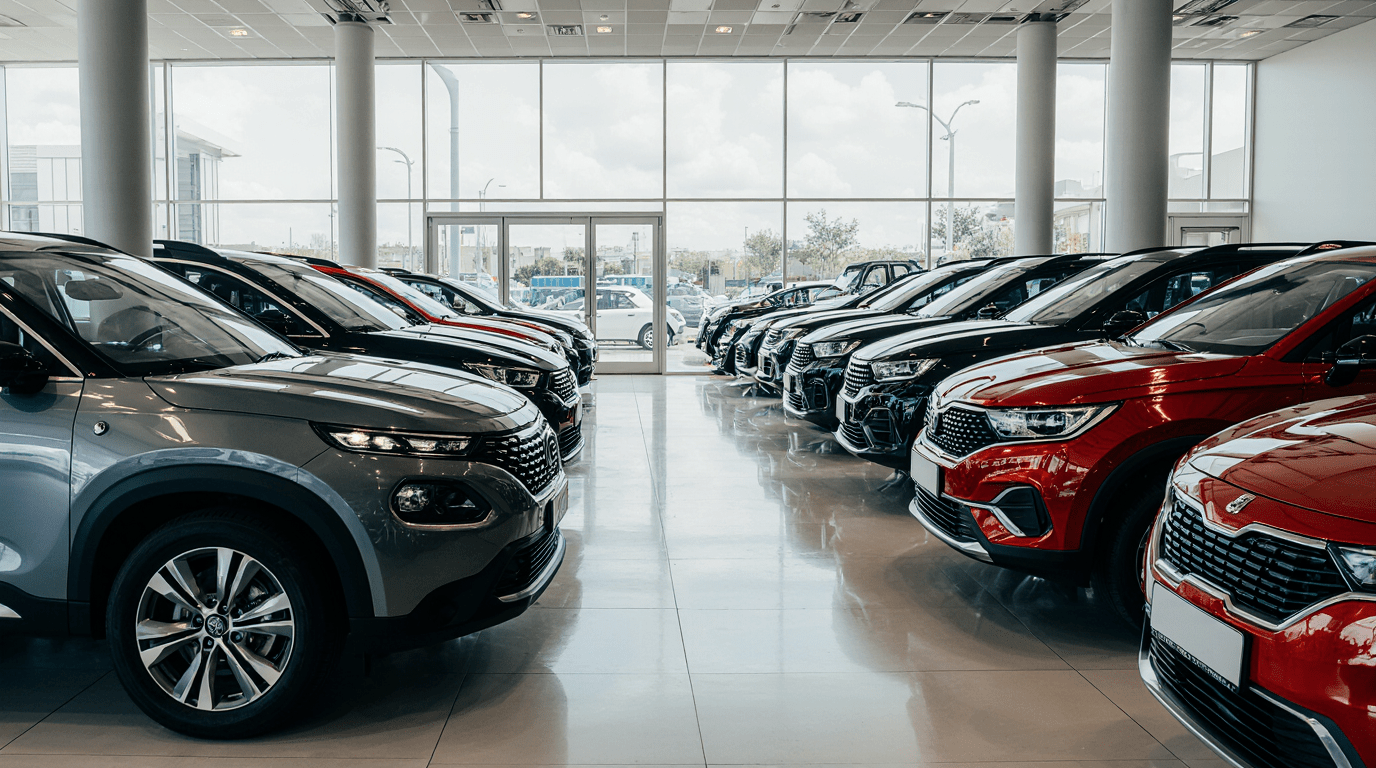
In recent years, Chinese cars have been entering the Spanish market with undeniable force. These brands aren't just visiting; they're arriving with models that compete head-to-head in price, technology, and design. This new reality is putting established European manufacturers like SEAT , Renault , and Peugeot on the ropes, forcing them to rethink their strategies, especially in the electric vehicle sector.
Today we'll see how Chinese brands are changing the rules of the game, why the Spanish are increasingly opening their doors to them, and what consequences all this may have in the coming years.
The growth of Chinese brands in Spain
- Market share growth.
According to the Spanish Association of Automobile Manufacturers (ANFAC), Chinese brands already account for over 10% of total registrations in the first months of 2025.
This leap is especially notable for manufacturers such as BYD , MG , Omoda , Jaecoo , and others.
- Dealer network and accessibility
- BYD has multiplied its network of sales points in Spain , making it easier for its electric models to reach small and large cities.
Furthermore, the highly competitive prices (with some models below €20,000 with subsidies) make them very attractive to a wide audience.
- Value retention
A recent report by GANVAM-DAT indicates that Chinese cars retain around 60.7% of their value after three years , a figure very close to that of traditional mainstream brands (~65.5%).
That means they are not "cheap and disposable": many buyers see them as a solid medium-term option.
How are SEAT, Renault, and Peugeot responding?
- Pressure on electricity prices.
Chinese brands, especially in the EV segment, offer models with good batteries, decent equipment, and a lower cost than many "classic" electric vehicles from European manufacturers.
This pressure forces brands like SEAT or Peugeot to review their margins, promotions, and positioning strategies.
- Product strategy adjustments
- Affordable models : Traditional manufacturers can launch more basic or "light" versions of their electric vehicles to compete with the Chinese.
- Added services : Guarantees, maintenance, or connected services can become key factors in justifying a higher price.
- Alliances or investments : It is possible that some European brands will seek agreements with Chinese or technology firms to optimize costs or adopt some of their technology.
- Risks to legacy brands
- Reduced margin : To maintain competitiveness, they may sacrifice part of the margin, which impacts their profitability.
- Brand image : If they lower prices too much, they may lose some of the "premium" or associated prestige.
- Regulatory uncertainty : Incentives for electric vehicles and energy regulations may change, affecting pricing decisions.
Why are Spanish consumers being seduced by Chinese brands?
- Value for money.
Many Chinese models offer generous equipment (screens, assistants, good battery life) for more affordable prices than their European counterparts.
- Trust.
The perception of Chinese cars has improved considerably: according to surveys, many Spaniards would now consider buying a Chinese brand.
- Incentives and aid.
Subsidies for electric vehicles (such as the MOVES Plan) also encourage the purchase of Chinese electric models, as many start from a lower price base.
- Wide range of offerings.
It's not just EVs: some Chinese manufacturers also offer plug-in hybrids, broadening their appeal to buyers who still have doubts about the charging infrastructure.
What do these changes mean for the future of the automotive market in Spain?
- Reconfiguration of the competitive map.
If Chinese brands strengthen their presence, traditional manufacturers will have to reinvent themselves: it is not enough to devalue their electric vehicles, but to offer real added value.
- Risk and opportunity for the local industry
- Opportunity: Technological alliance, joint ventures, local production.
- Risk: losing market share if cars "made in Europe" do not adapt to the new reality.
- Impact on workshops and after-sales service.
The massive influx of Chinese brands means that workshops and service networks will have to adapt to provide maintenance for these models: batteries, software, spare parts…
- Consumer evolution.
Spanish buyers are more informed; they seek efficiency, but also technology. The brands that know how to combine these elements will be the ones that succeed in the new era.

Are they a profitable option in the long term?
The arrival of low-cost and electric Chinese brands in Spain is reshaping the automotive market. It's not just about low prices: there's technology, a strong dealer network, value retention, and long-term ambition.
For brands like SEAT, Renault, or Peugeot, this is a call to adapt: it's not enough to lower prices; they must reinvent how they offer value, service, and customer loyalty.
Ultimately, the biggest beneficiaries could be consumers: more options, greater affordability, and increased competition that boosts mobility.